How to apply for Canadian Citizenship by Descent
This is the real workflow behind the service: organize the line, request the right records, prepare CIT 0001, add the lineage explanation sheet when needed, and assemble the package in the correct order. For many U.S.-based families, that also means pulling together records from both sides of the border.
Confirm the family line
Start with names, dates, places, and the closest Canadian connection before ordering anything.
- •Use family records, Ancestry, and FamilySearch to confirm the line.
- •Identify the province or territory tied to the Canadian record set, while noting any U.S. records that also anchor the line.
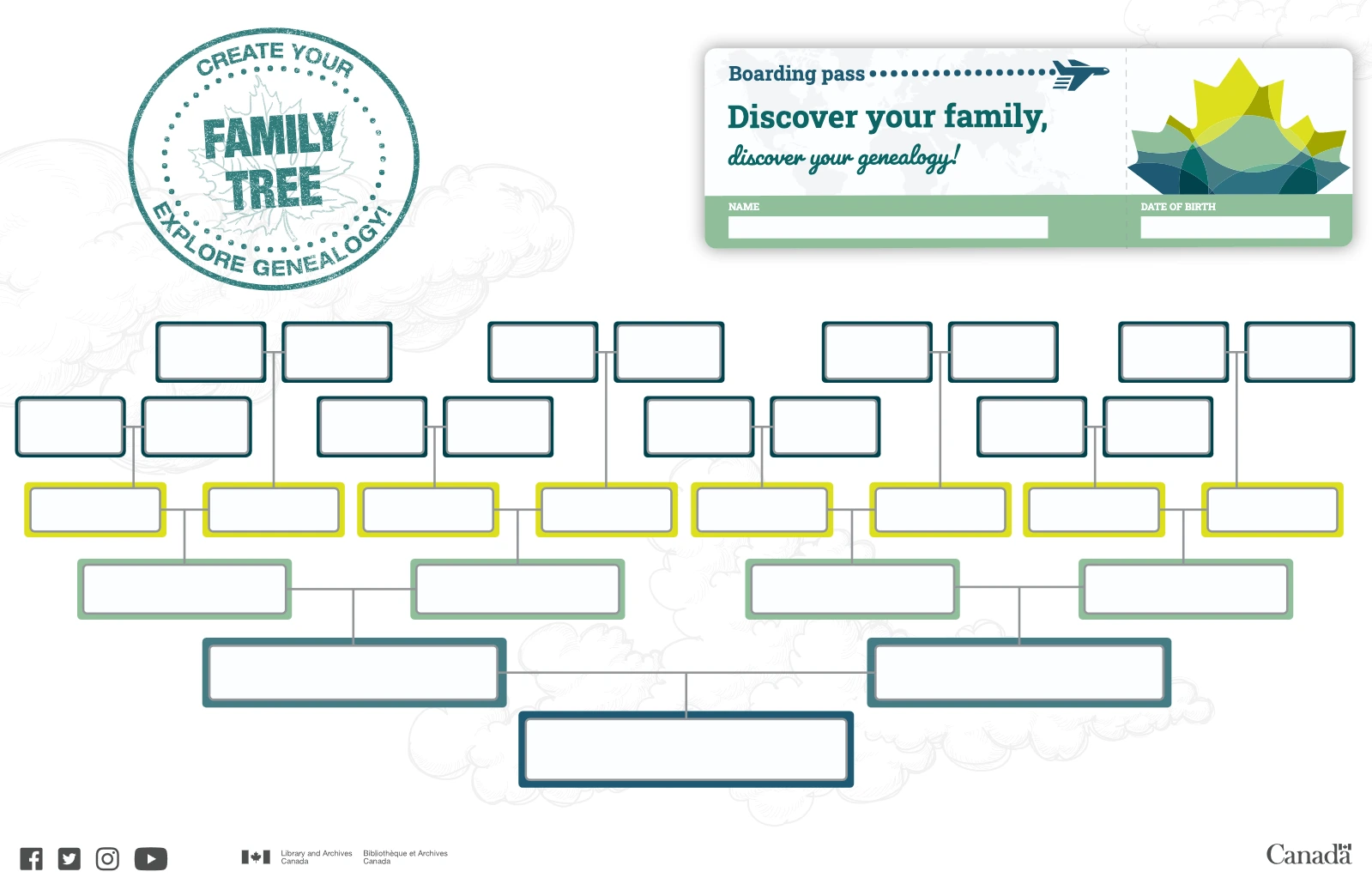
Map every document link
Build the parent-child chain generation by generation so the case is clear before records are requested.
- •List the birth, marriage, death, baptismal, or name-change records needed.
- •Flag gaps early so the file does not stall later.
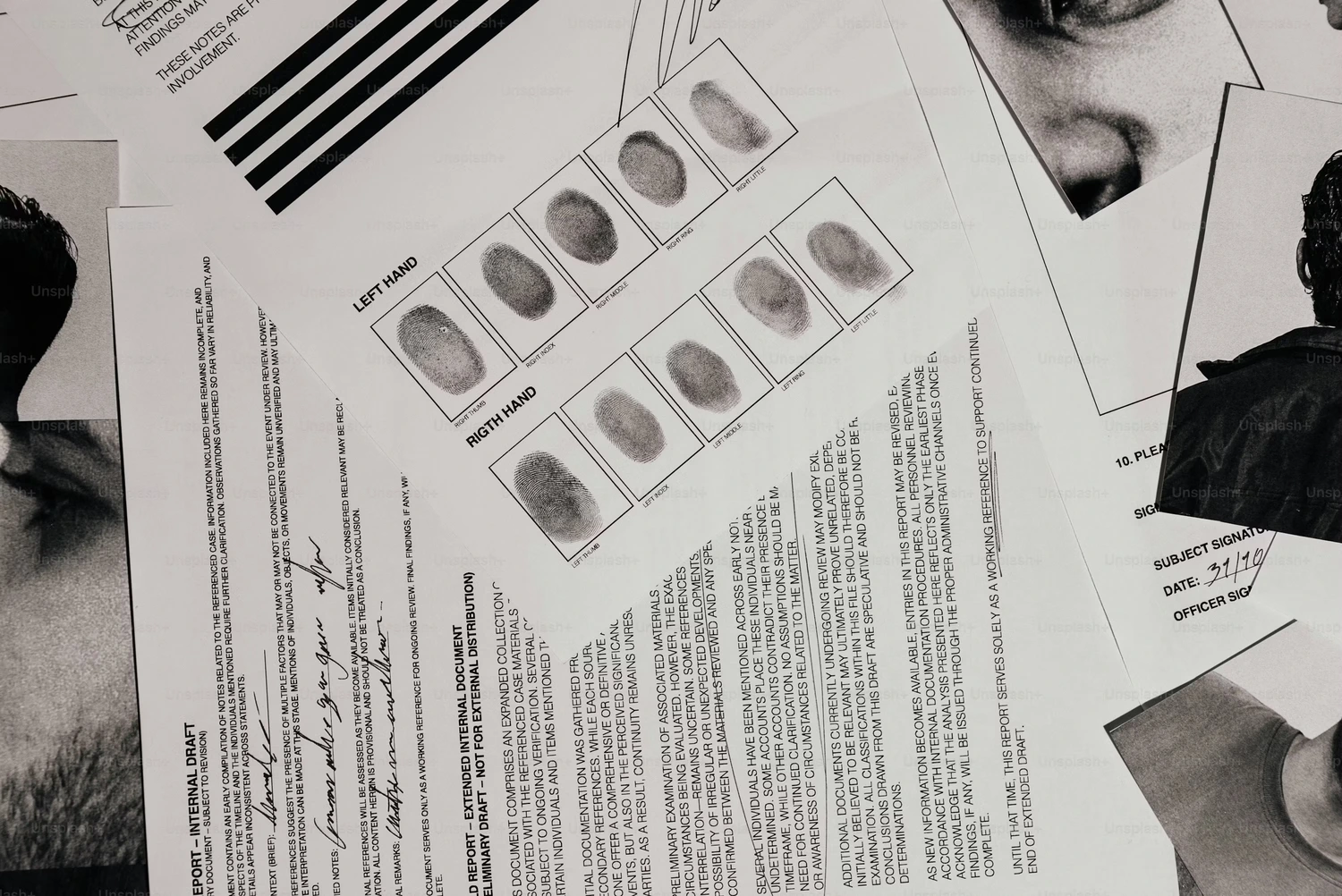
Request records from the right office
Order certified records from the office that actually holds the event, not from the wrong jurisdiction.
- •Use local clerks, provincial archives, church archives, or Library and Archives Canada as needed.
- •The right source depends on where the event happened, not where the person later lived.
- •For many Americans, that means working with both Canadian archives and U.S. state or county record offices.
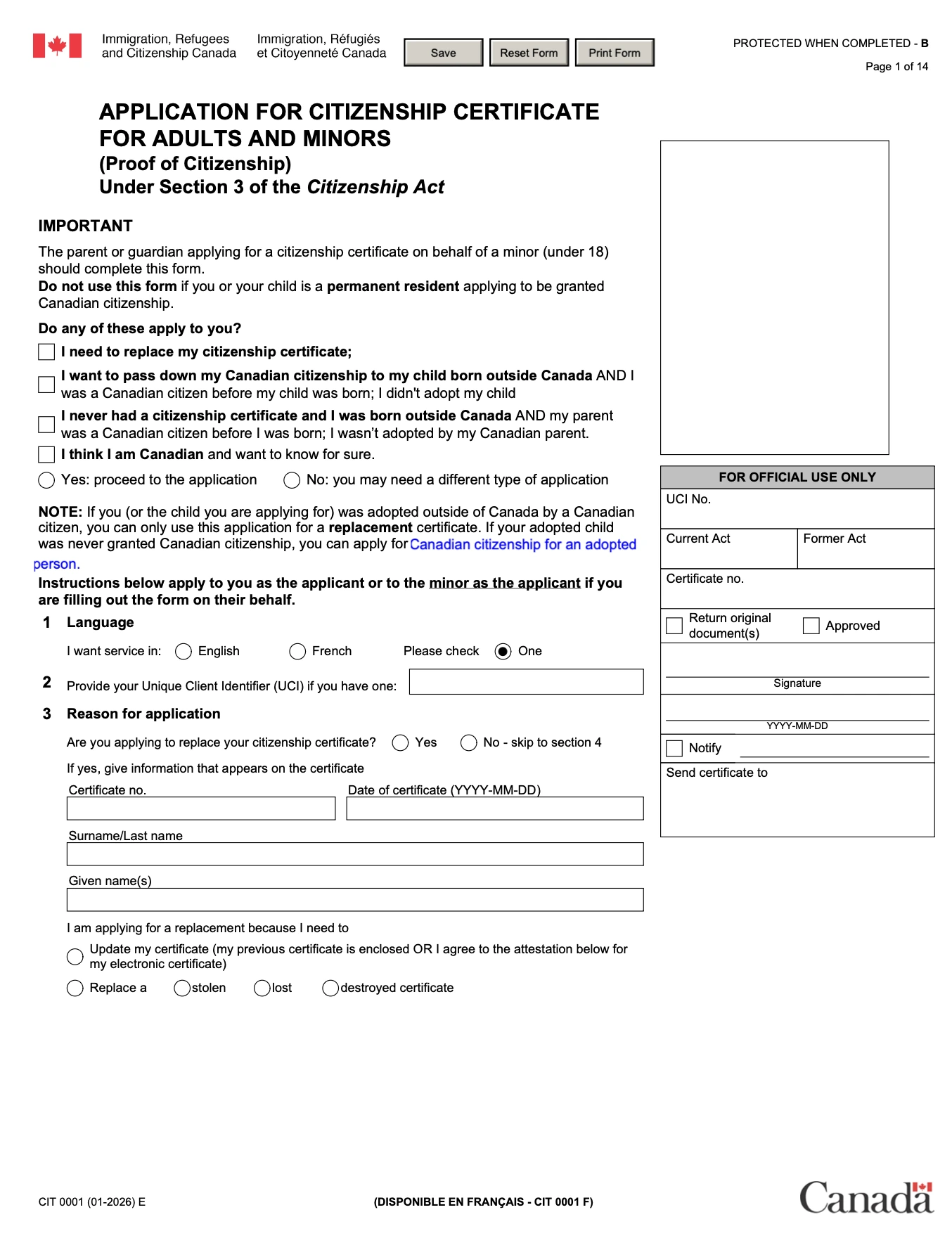
Prepare CIT 0001 carefully
Use the current form version and complete the file the way IRCC expects it to be read.
- •Follow the current instructions instead of guessing on unknown fields.
- •Check signatures, dates, and supporting IDs before the package is assembled.
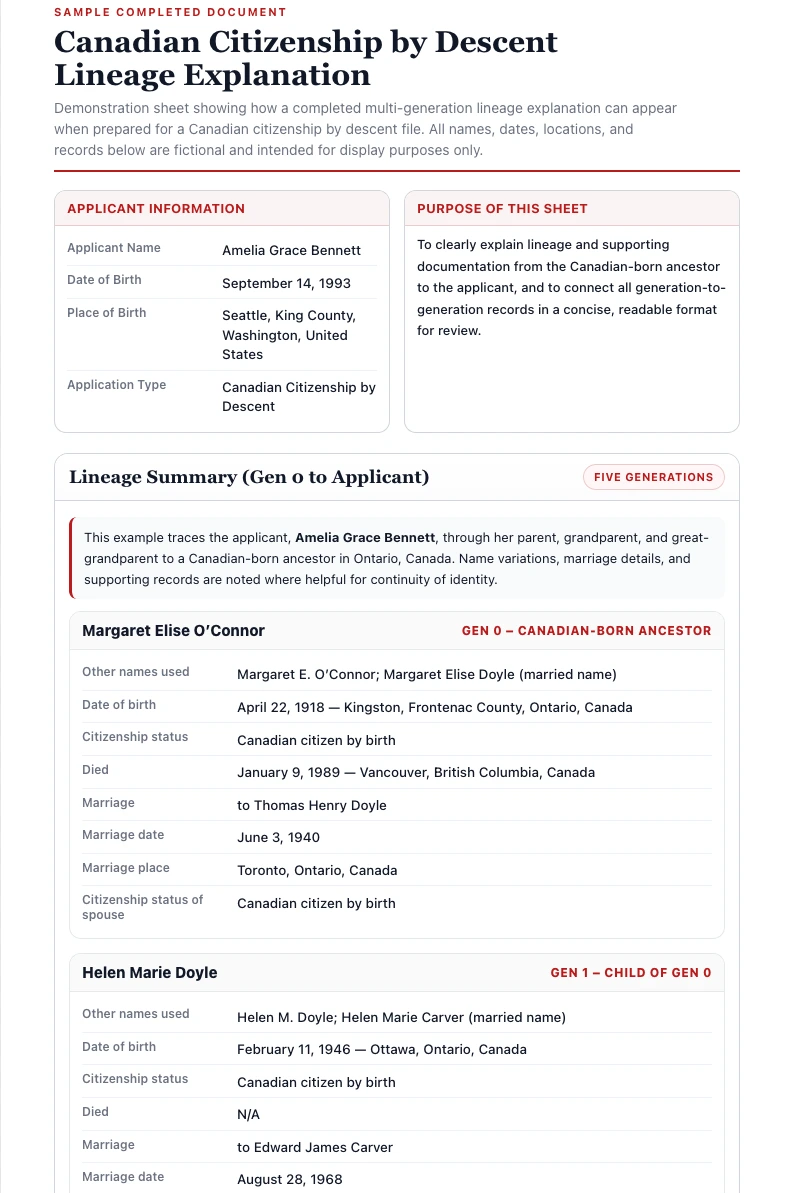
Add a lineage explanation sheet
Multi-generation cases often need a simple written guide that explains the family line clearly.
- •Keep it factual, generation by generation, with names, dates, and places matching the records.
- •This is especially helpful for grandparent and older-line cases.
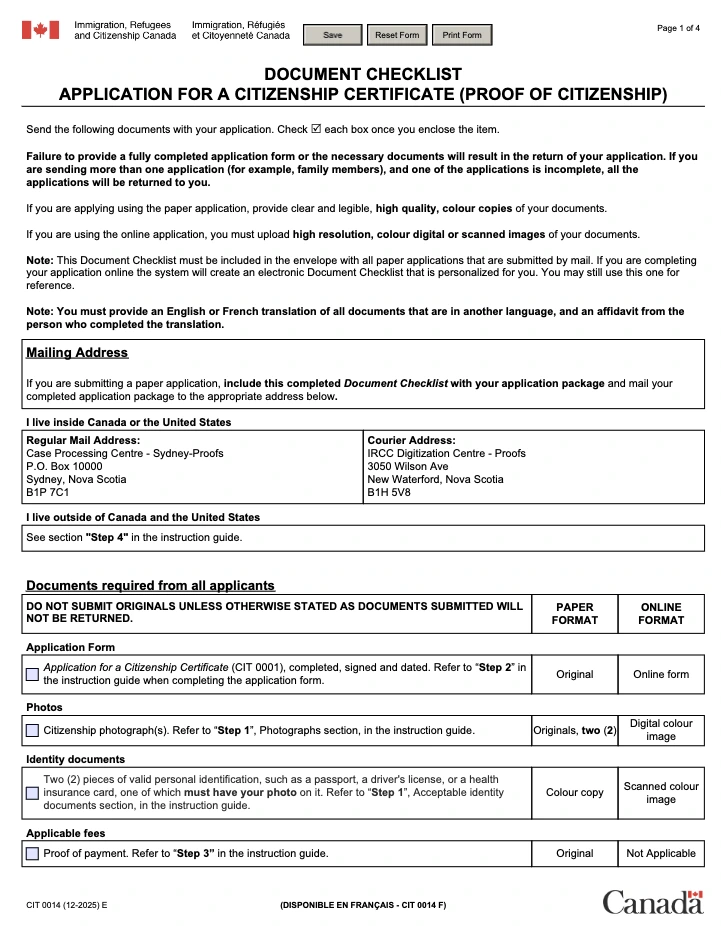
Assemble the package in checklist order
Put the full file together in the CIT 0014 order with photos, IDs, payment proof, and supporting records.
- •Use clean copies and the correct citizenship photo specification.
- •A well-ordered package is easier to review and less likely to be returned.
Most delays come from ordering from the wrong office
The right source depends on where the event happened. That is why province, country, and record type matter so much before any request goes out, especially when a Canadian line depends on U.S. birth, marriage, or death records.
Want the process handled for you?
Start with the quiz if you are unsure, or go straight to the contact form if you already know the family line you want reviewed.